
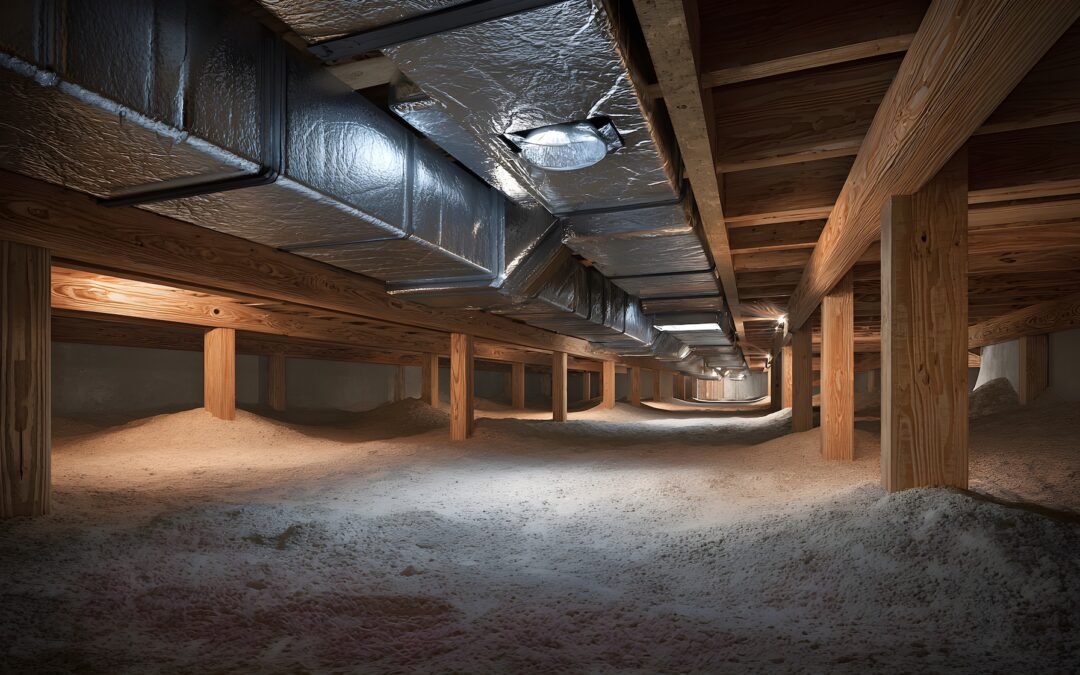
Ogles Exterminating Inc. understands that the battle against pests begins beneath the floorboards. One of the often-overlooked fronts is the crawl space — a dark, damp underbelly that can silently undermine structural health and harbor unwelcome intruders. In this article, we’ll explore how crawl space moisture barriers prevent pest infestations and structural damage, the role of damp-proofing strategies, and how proper rodent control links tightly to moisture management.
If your home or business is experiencing a spike in pests and needs a professional, contact us today. Ogles Exterminating Inc. proudly serves Glasgow, KY, and nearby communities.
Why Moisture in Crawl Spaces Becomes a Pest Magnet
A crawl space is the narrow void between your home’s ground and its first floor. It typically houses plumbing, wiring, ductwork, and support elements. Because it exists so close to the soil, moisture from the ground and humid air above can easily seep upward.
In high humidity, condensation forms on cooler surfaces (joists, insulation, foundation walls), and damp soils tend to release water vapor upward. When moisture lingers, it invites mold, mildew, rot, and — crucially — pests. Many insects (termites, carpenter ants, cockroaches) and small animals (mice, rats, snakes) seek out damp, sheltered areas as breeding grounds or nesting zones. The presence of decayed wood or soggy insulation further supports insect life cycles.
Moist environments also support wood-destroying fungi, which weaken the supporting beams, creating cracks, gaps, or softened wood that pests can exploit. Once pests gain a foothold in the crawl space, they can migrate upward into the living areas, often following wiring, piping, or other conduits.
Role of a Crawl Space Moisture Barrier
A crawl space moisture barrier (often called a vapor barrier or crawl space vapor barrier) consists of durable plastic sheeting (usually reinforced polyethylene) that covers the ground, walls, and sometimes support piers within the crawl space.Its job is to block moisture vapor rising from the soil and to reduce relative humidity, preventing condensation on structural elements.
By converting the crawl space into a drier, more controlled environment, a moisture barrier removes the conditions that pests prefer. Insects that require moisture to survive will retreat or die off. Rodents find fewer soft nesting materials; dampness no longer supports mold or fungi that insects feed on, breaking the ecological chain within the crawl space that sustains pests.
Beyond pest deterrence, the barrier helps maintain structural health by protecting wood members from decay, warping, and fungal attack. It also benefits indoor air quality: by reducing humidity below, the “stack effect” that draws crawl space air upward is weakened, reducing the concurrent movement of mold spores, allergens, and stale air into the living space.
Damp-Proofing: More Than Just a Barrier
While the vapor barrier is your first shield, damp-proofing strategies strengthen the protection. Here are key components:
1. Crawl Space Inspection & Preparation
Before installing any barrier, inspect for standing water, existing leaks, mold, and structural damage. Address any plumbing breaches or drainage problems first. Remove debris, old insulation, pest droppings — a clean surface helps the barrier perform better.
2. Sealing Entry Points & Vents
Gaps, cracks, utility penetrations, and vents must be sealed or screened to prevent pest access. Use rigid materials, pest-resistant sealants, and tight-fitting covers. In humid climates, exterior vents may bring in moist air, so they are often closed or sealed in an encapsulated system.
3. Full Encapsulation
This means extending the barrier onto crawl space walls, not just the floor, and thoroughly sealing seams and overlaps. Combined with drainage matting or conduits, a sump pump, and possibly dehumidification, this can create a fully controlled environment.
4. Humidity Control (Dehumidifiers, Ventilation, Drainage)
In very humid environments, a crawl space dehumidifier helps draw moisture out of the air. Proper exterior drainage (gutters, slope away from foundation) also limits water intrusion.
How Moisture Barriers Aid Pest Prevention & Rodent Control
Let’s examine direct and indirect ways a moisture barrier contributes to pest control:
- Removing water sources: Many pests need moisture to survive or reproduce. By reducing ambient humidity and eliminating condensation, you’re removing essential hydration nodes.
- Limiting nesting and soft material access: Damp soil, decayed insulation, and mold-rich organic matter often provide nesting resources or attractants. A clean, dry liner stops that.
- Barrier to crawling pests: Sealed seams, taped overlaps, and continuous sheets create a physical obstruction that insects must cross — fewer secret paths.
- Reducing connected pathways to the living space When the crawl space becomes inhospitable, pests can’t as easily migrate upward into the home’s inner structure.
- Discouraging rodent incursion Rodents often nest in cavities or damp insulation. A moisture-controlled, sealed environment offers fewer hiding places and less incentive for rodents to burrow under the home.
In sum, a well-installed moisture barrier can make the crawl space the least attractive zone in the home’s envelope.
Best Practices & Common Pitfalls
Best Practices
Tips to maximize effectiveness:
- Use a thick polyethylene liner — typically 10 to 15 mil (or more) is recommended for durability.
- Overlap seams generously and seal with tape or adhesive designed for crawl space use.
- Run the liner up the walls and attach securely, not just on the floor — a “full wrap” helps prevent wall moisture ingress.
- Always begin with a dry, clean, well-graded base. Never install a barrier over standing water or wet soils — that traps moisture.
- Combine with drainage channels, dehumidification, and sealed vents for a holistic system.
- Inspect periodically, patch any tears, re-seal seams as needed to maintain integrity.
Common Pitfalls
Avoid these pitfalls:
- Underestimating seam coverage or leaving gaps
- Skipping wall coverage
- Failing to control external water intrusion
- Assuming a barrier alone handles pests — it works best as part of an integrated pest prevention plan
Final Thoughts
A well-installed crawl space moisture barrier can transform one of your home’s most vulnerable areas into a dry, protected environment. By denying pests what they crave — dampness, decay, and nesting shelter — the liner plays a pivotal role in pest prevention, rodent control, and structural health. Coupled with comprehensive damp-proofing strategies, it safeguards your substructure and contributes to cleaner indoor air. If you’re considering moisture control as part of your pest defense strategy, this is a foundational step. Trust that with the right materials and care, your crawl space can shift from being a liability to becoming part of the home’s durable envelope.
Reach out today to discuss how putting a crawl space moisture barrier in place can protect your home from pests and degradation. Ogles Exterminating Inc. would be glad to help guide you from the underfloor upward.